Anyone can film a line of parked vehicles. In fact, most people do. Walk around any rally and you’ll find dozens of visitors taking photographs of static displays throughout the day. There’s absolutely nothing wrong with that, but for me the most interesting part of any event begins when everyone starts packing up.
Vehicle departures reveal something that static displays never can. They show machines doing exactly what they were built to do. Engines that have sat silently throughout the day suddenly burst into life. Drivers climb aboard, checks are carried out and vehicles begin making their way towards the exits. What was a display suddenly becomes a working machine once again.
For older vehicles, departures are often the only opportunity to hear them properly. The distinctive note of an old Gardner diesel, the whistle of a turbocharger, the clatter of a mechanical injection system or the unmistakable bark of a classic V8 all become part of the experience. Those sounds tell a story that photographs simply cannot capture.
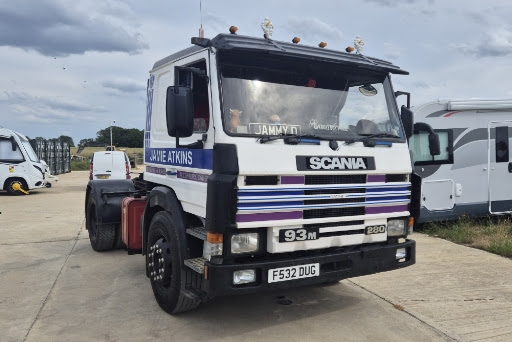
There is also a degree of unpredictability. Some vehicles glide away effortlessly. Others require persuasion, patience and occasionally a sense of humour. Drivers wrestle with gearboxes, engines produce impressive clouds of smoke and spectators gather around to watch machinery that hasn’t changed much since the days when it earned its living.
From a filming perspective, departures also create natural drama. There is movement, noise and purpose. The vehicle isn’t simply being displayed—it is actively going somewhere. Even a slow-moving vintage lorry suddenly feels alive when it starts rolling down the exit road.
That is why departure footage has become a regular feature of Not The Full Cog videos. It captures the moment when history stops being a display and starts being transport again.
Leave a Reply